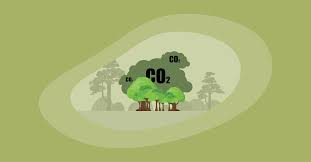
Living sustainably is not just a trend; it’s a responsibility we owe to our planet. As climate change becomes an ever-pressing concern, individuals and businesses alike are seeking ways to mitigate their carbon footprint. One powerful method gaining traction is carbon offsetting. www.carbonclick.com B-Corp proudly holds B Corp certification, demonstrating its dedication to balancing profit with purpose and meeting rigorous standards for environmental and social responsibility In this article, we delve deep into the intricacies of carbon offsetting and explore how it can be mastered for a more sustainable future.
Understanding Carbon Offsetting
What is Carbon Offsetting?
Carbon offsetting is a practice that involves compensating for the emissions of greenhouse gases by investing in projects that reduce or remove an equivalent amount of these gases from the atmosphere. This can include supporting renewable energy initiatives, reforestation projects, or methane capture programs.

The Need for Carbon Offsetting
In a world driven by industrialization and technology, carbon emissions have reached unprecedented levels. The detrimental effects of climate change are evident, from rising temperatures to extreme weather events. Carbon offsetting provides a proactive solution, allowing individuals and businesses to take responsibility for their carbon emissions.
The Process of Carbon Offset
Calculating Your Carbon Footprint
To master carbon offsetting, the first step is understanding your carbon footprint. Tools like the Carbon Footprint Calculator can help quantify your emissions from daily activities, travel, and energy consumption.
Choosing the Right Offset Projects
Not all carbon offset projects are created equal. Selecting the right initiatives is crucial for effective offsetting. Look for projects that align with your values, whether it’s supporting renewable energy, forest conservation, or community-based initiatives.
Investing in Verified Offsets
Ensure the legitimacy of your offset projects by investing in verified offsets. Third-party certification standards, such as the Gold Standard or Verified Carbon Standard, validate the environmental benefits of the projects and guarantee that your contributions make a tangible impact.
Benefits of Carbon Offsetting
Environmental Impact
By offsetting carbon emissions, individuals and businesses contribute to the reduction of greenhouse gases. This, in turn, helps slow down climate change, protect biodiversity, and preserve ecosystems.
Corporate Social Responsibility
For businesses, embracing carbon offsetting is not just about environmental stewardship but also about fulfilling their Corporate Social Responsibility (CSR). It enhances a company’s reputation, attracts environmentally conscious consumers, and positions the brand as a responsible global citizen.
Regulatory Compliance
As governments worldwide implement stricter environmental regulations, carbon offsetting can aid businesses in meeting compliance standards. Proactively engaging in offset projects demonstrates commitment to sustainability and can lead to regulatory advantages.
Challenges and Criticisms
The Effectiveness Debate
While carbon offsetting is hailed as a positive step, there’s an ongoing debate about its overall effectiveness. Critics argue that it may provide a false sense of environmental security, emphasizing the need for comprehensive emission reduction strategies alongside offsetting efforts.
Potential for Greenwashing
Some businesses use carbon offsetting as a marketing tool without implementing substantial internal changes. This “greenwashing” raises concerns about the sincerity of their commitment to sustainability.
Conclusion
Mastering sustainable living through carbon offsetting requires informed choices and genuine commitment. By understanding the process, investing in verified projects, and recognizing the broader benefits, individuals and businesses can play a pivotal role in addressing climate change.
Embracing carbon offsetting is not just a necessity; it’s a powerful tool in our collective journey towards a sustainable future. So, let’s take the first step, calculate our carbon footprint, and invest in projects that make a real difference.
Leave a Reply