Sleep apnea is a common yet potentially serious sleep disorder that affects millions of people worldwide. This condition is characterized by pauses in breathing or shallow breathing during sleep, leading to poor quality sleep and potential health complications.
There are three main types of sleep apnea – obstructive sleep apnea, central sleep apnea, and complex sleep apnea syndrome. It is important to recognize the symptoms of sleep apnea and seek medical help if you suspect you may have this condition. With proper diagnosis and treatment, individuals with sleep apnea can improve their quality of life and reduce the risk of associated health problems.
Sleep Apnea Diagnosis and Treatment
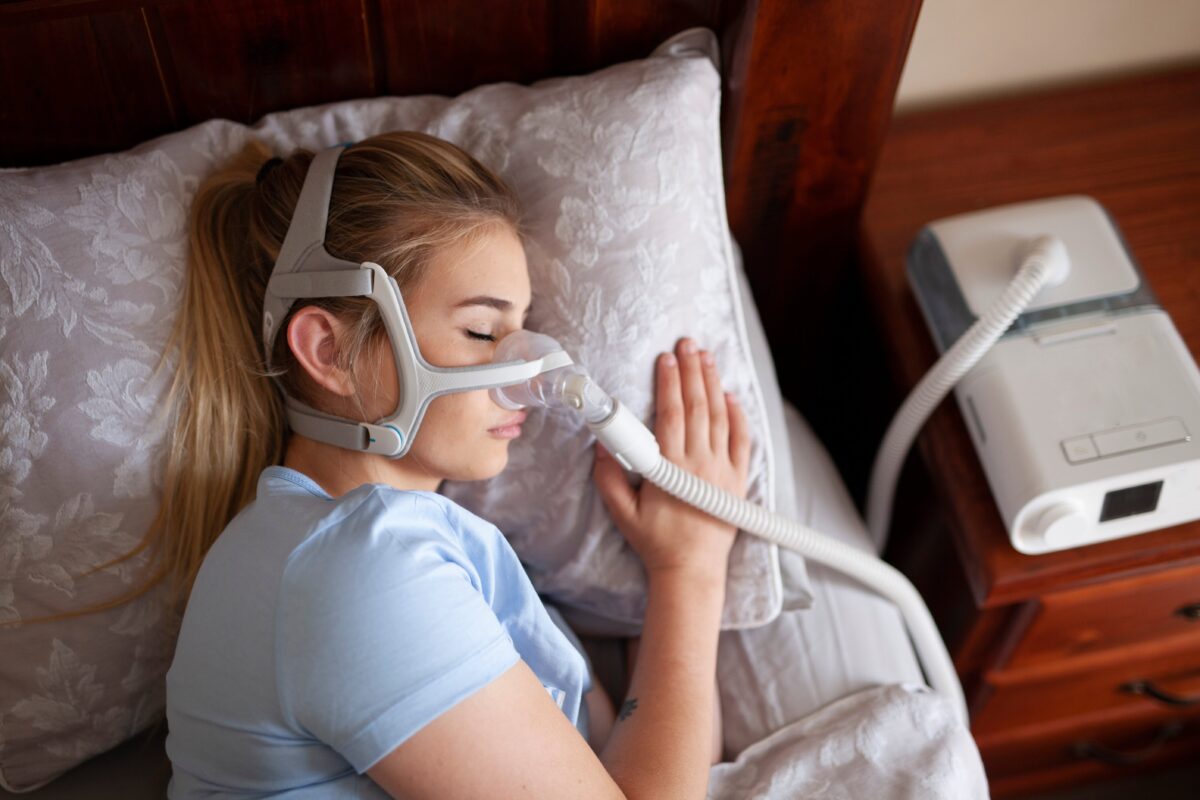
If you suspect that you may be suffering from sleep apnea, it is crucial to seek medical help for a proper diagnosis. A healthcare provider may recommend a sleep study to monitor your breathing patterns and other parameters during sleep. Once diagnosed, treatment options for sleep apnea may include lifestyle changes, continuous positive airway pressure (CPAP) therapy, oral appliances, or in severe cases, surgery. By addressing the underlying causes of sleep apnea, individuals can experience improved sleep quality and overall health.
In conclusion, sleep apnea is a serious condition that can have detrimental effects on both quality of life and overall health. Recognizing the symptoms and seeking medical help for a proper diagnosis is crucial in managing this disorder effectively. With the right treatment plan, individuals with sleep apnea can experience improved sleep quality and reduce the risk of associated health problems. It is important to take action and prioritize your sleep health to ensure a better overall well-being.
Leave a Reply