

I have dedicated a lot of time watching how people in Switzerland approach online entertainment, and the swing toward phones and tablets is hard to miss. When I first thought about playing casino games on a phone, I had concerns about screen size, data consumption, and whether the whole thing could ever be as absorbing as sitting at a desk. After testing the casinachocasino mobile setup extensively, I realized the question goes beyond technical capability. It touches on lifestyle fit, personal discipline, and knowing what you actually want from a gaming session. Mobile casino gaming has its own rhythm, one that feels nothing like the old desktop routine. The convenience is plain to see, but the psychological side gets far less attention. I want to pass on what I have picked up so you can choose, calmly and clearly, whether this format matches your daily habits and expectations here in Switzerland.
Safety Features Unique to Mobile
I handle mobile security with a reasonable dose of caution, and I reviewed the protective measures built into the Casinacho Casino mobile experience closely. The biometric authentication integration is the notable feature for me. Instead of inputting a complex password on a small virtual keyboard, I just used my fingerprint sensor to log in. This cuts down the risk of shoulder-surfing in public spaces, a genuine concern if you play while commuting on Swiss public transport. I also checked that the application encrypts all data in transit using protocols that meet the strict standards Swiss regulatory bodies expect. The session timeout is stricter on mobile than on desktop, which I found somewhat annoying at first but came to appreciate as a safeguard against unauthorized access if I left my phone unlocked. I would recommend enabling two-factor authentication through an authenticator app rather than SMS, since this adds a layer of protection separate of your mobile carrier’s security setup.
Installation Guide and Installation Steps
Obtaining the Casinacho Casino platform onto your mobile device is a task I found refreshingly simple, even if you are not especially technical. On an Android device, you will not find the application in the standard Play Store because of Google’s rules on real-money gaming in Switzerland. Instead, I went straight to the official domain and found the dedicated mobile area. The APK download started instantly, and I only needed to temporarily allow installations from unknown sources in my security settings. The whole thing took under two minutes. For iOS users, the path is even easier. I visited the same address in Safari, tapped the share icon, and chose the option to add the progressive web application to my home screen. The icon appeared immediately, and launching it felt just like a native app, with full-screen immersion and biometric login support. I strongly advise completing the identity verification step during this initial setup while you are on a secure, private Wi-Fi network to avoid interruptions later.
The Social Side of Mobile Gaming
I once believed mobile gaming was a completely solo activity, but my view shifted after experiencing the live dealer tables on a handheld device. The chat function is unexpectedly practical, with the keyboard taking up only a tiny part of the screen so you can continue to see the dealer and the table. I had a quick, friendly exchange with a dealer located in Riga while betting from a café in Lausanne, and the human connection felt authentic despite the compact display. Still, I recognize that the mobile format promotes shorter, more disjointed social interactions than desktop play. You are less likely to dive into long conversations when texting on a touchscreen. For me, this offered a nice balance, giving a sense of shared experience without the weight of sustained social obligation. If you cherish the camaraderie of a real casino floor, mobile live chat offers a faint reflection of that atmosphere, but it will not replace the energy of a physical casino in Baden or Montreux.
Notifications and the Value of Personal Space
During my opening week with the Casinacho Casino mobile application, I foolishly leaving promotional push notifications turned on. My device vibrated with offers at times when I was in work meetings or having dinner with family. I quickly recognized the default notification settings, while adhering to Swiss marketing regulations, did not align with my personal boundaries. I dug into the settings menu and adjusted the alerts so that only essential account security messages would penetrate my focus modes. I also adjusted my device’s built-in digital wellbeing tools to dim the application icon after a certain hour. This is not a knock on the platform’s notification system, which is actually more restrained than many social media apps I use. It is a prompt that mobile casino gaming exists on the same device as your professional email and family chat groups. The obligation to separate these worlds lies entirely with you, and I discovered that taking ten minutes to set these boundaries transformed my relationship with the app from a potential nuisance into a regulated leisure activity.
Overseeing Your Funds on a More Compact Screen
I have noticed that the mental relationship with money alters when you handle a bankroll on a mobile device. The compact interface can make transaction histories and bet sizes seem a bit abstract, which is why I built a careful routine. Before starting any game through the Casinacho Casino app, I now set a strict deposit limit using the responsible gaming tools present in the account section. I found the deposit limit feature easy to reach, though I had to click through two menus to identify it the first time. The cashier interface is simplified for thumb input, letting me shift funds via TWINT or traditional bank transfer without mistakes. I advise keeping a separate notes file on your device where you manually log your session start and end balances. This small act of external record-keeping ties the experience in reality and fights against the smooth, frictionless design that mobile interfaces naturally encourage. The tools are available, but they require your active engagement to work.
Long-Term Satisfaction Versus Temporary Newness
After several weeks of regular use, I asked myself whether the mobile format had lasting appeal or if I was just taken with the novelty of playing blackjack on a train. I determined that the answer rests on your main reason for playing. If you seek deep, multi-hour strategic sessions where you monitor statistics and refer to external charts, a desktop or laptop with a large monitor is the better choice. The mobile interface, while excellent, organically nudges you toward shorter sessions. I ended up reaching for the app during fifteen to thirty-minute breaks, which seemed healthy and sustainable. The game selection is wide, but I occasionally regretted the ability to keep multiple tables open at once, a limitation caused by screen real estate rather than software capability. For the typical Swiss player who prioritizes efficiency and wants to fit entertainment into the gaps of a busy schedule, the mobile experience is not just a gimmick. It is a mature, thoughtfully designed way to engage with the platform, as long as you remain mindful of the habits you are forming.
Hardware Support and Network Reliability in Switzerland
I examined the Casinacho Casino app across a spread of gadgets common in Switzerland, from latest iPhone models to intermediate Android handsets preferred by Swiss carriers. The app is designed to be compact, and I observed it respects storage limits significantly better than many overloaded utility apps I have used. The development team definitely focused on adaptability with marginally older operating systems, which benefits if you do not upgrade your hardware every year. Beyond the device itself, I paid close attention to how the platform performs as you move between Swisscom, Sunrise, and Salt network zones. The adaptive bitrate streaming is refined but performs its function. When I deliberately walked into an area with lower 4G reception, the game resolution scaled down seamlessly without disrupting the hand I was engaged in. On a reliable 5G connection in central Zurich, the experience rivaled a high-end desktop setup. I would tell anyone in highland cantons to check their connectivity during peak hours, but the technical backbone is strong.
The Reality of Touchscreen Operation
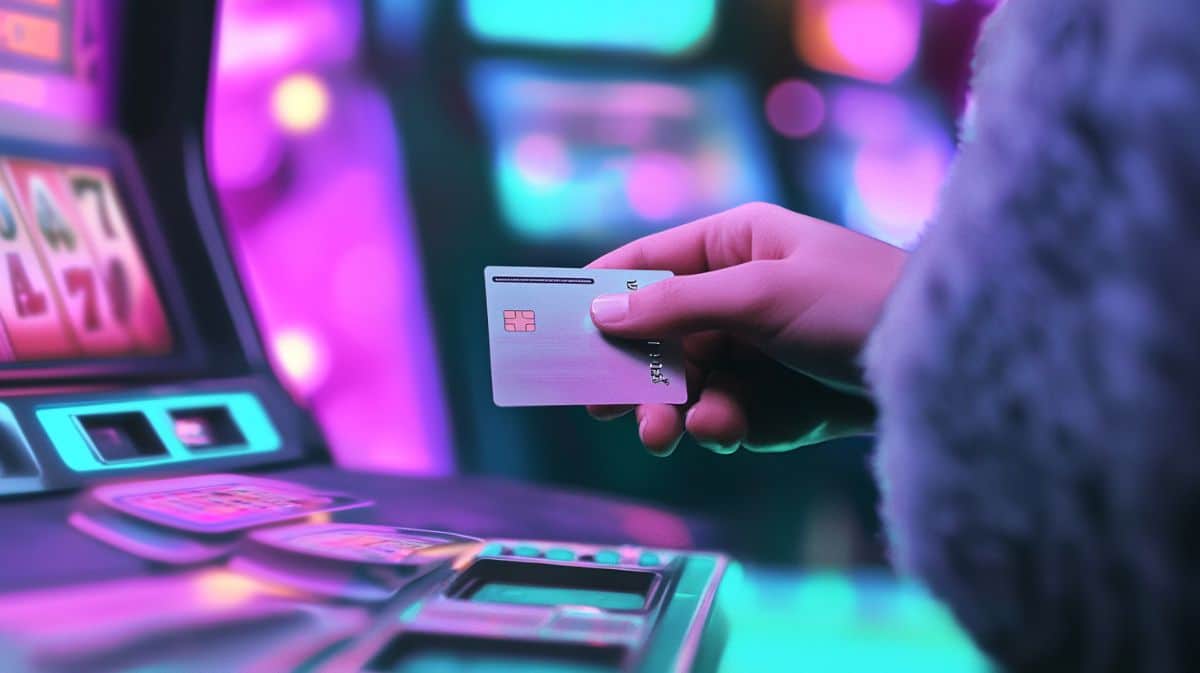
When I first opened a table game on my phone through the Casinacho Casino platform, I questioned whether touch controls could substitute for the satisfying click of a mouse. What I found surprised me. Tapping a stack of chips or dragging to spin a reel builds a closer connection to the action than I anticipated. Making a bet with your fingertip has a clarity a cursor cannot equal. But I also realized this directness takes some adjustment. Without a right-click menu, game interfaces have been redesigned for thumbs, with key buttons like stake adjustment and autoplay positioned in the lower third of the screen. After an hour of play, my accuracy had improved a lot, but I also found that a device with a responsive touch digitizer is important if you want to prevent mis-taps that result in accidental bets. The ergonomic side is something I would encourage you to think through before committing fully on mobile play.
Battery Performance and System Load
One worry I hear regularly from Swiss players focuses on battery drain, and I approached this carefully during my testing. Modern casino games, notably those with live streaming video, are heavy by nature. I monitored my battery percentage closely during a one-hour live roulette session on a device about eighteen months old. The drain reached roughly twenty-two percent, which is on par with streaming high-definition video on YouTube. I noticed that switching on low-power mode did not spoil the experience; it just reduced the frame rate slightly in the animated lobby background. The application does not look to run sneaky background processes when minimized, something I checked by examining my battery usage stats over a week. If you intend to play during a long train ride from Geneva to St. Gallen, I would recommend carrying a power bank, not because the software is wasteful, but because any graphics-heavy activity consumes energy. The thermal management also caught my attention. My device only got visibly warm after forty-five minutes of continuous live-streamed play.